
Rectal Cancer Surgery in Delhi
Rectal cancer is a global health problem that affects millions of people. More than 1.9 million new cases of colorectal cancer were reported in 2020. These figures emphasize the need to handle this issue appropriately. Signs of rectal cancer include diarrhea, constipation, or blood in your poop. Treatments include surgery, chemotherapy, and radiation therapy.
Surgery is a crucial component in the fight against rectal cancer. Approximately 50% of rectal cancer patients have surgical operations to remove tumors and damaged tissues. In some situations, patients may need a colostomy, a surgically constructed hole that aids waste disposal.
Dr. Deep Goel has 27 years of expertise in treating rectal cancer. With an excellent track record in rectal cancer procedures, he ensures patients get quality care throughout their treatment.
This blog discusses the various surgical options available and provides insights into what patients can expect during their surgical journey. The mission is to empower individuals with the knowledge to face rectal cancer treatment confidently, making recovery more manageable and less daunting.
Reach Out for Expert Care
What is Rectum?
The rectum is the last section of the large intestine or colon before the anus. Its principal role is to store and control solid waste removal from the body before it is evacuated.
What is Rectal Cancer?
Rectal cancer is a malignant tumor that forms in the rectum, the lower part of the large intestine. It can be life-threatening if not detected and treated early.
Who Is Affected by Rectal Cancer?
Rectal cancer affects:
- Rectal cancer affects both men and women
- Most patients are diagnosed after the age of 50
- Increasing numbers of younger adults are being diagnosed
- Family history, lifestyle factors, and inflammatory bowel disease may increase risk
Types of Surgery Used to Treat Rectal Cancer
There are three types of surgery used to treat rectal cancer:
Transanal local excision: This procedure treats very early-stage rectal cancers. During this procedure, a surgeon removes a small area of the rectum wall containing the early tumor through instruments passed through the anus.
Proctectomy: Involves the removal of part or all of the rectum containing the tumour.
- In sphincter-preserving surgery, the colon is reconnected to the anus
- A temporary ileostomy may be created to protect the healing
- If sphincter preservation is not possible, a permanent colostomy may be required
Pelvic exenteration: A highly specialised procedure used when cancer has spread to nearby pelvic organs.
- May involve the removal of the rectum and adjacent organs
- Reconstruction is performed after tumour removal
- Patients usually require a permanent ostomy
Dr. Deep Goel emphasizes the significance of a tailored approach to rectal cancer surgery. He says, “The choice of technique depends on the individual patient’s unique circumstances, the stage of the cancer, and the treatment goals.”
What Is the Cost of Rectum Cancer Treatment in India?
The cost of rectal cancer treatment in India ranges from INR 1,50,000/- to INR 6,00,000/-. Various factors, such as treatment modes, cancer stage, hospital preferences, and specialized care needs, drive this broad price range. Treatment costs are also affected by geographical location and access to healthcare services.
Recovery After Rectal Cancer Surgery
Your recovery depends on the type of surgery you undergo. According to Dr. Goel, patients with a proctectomy typically stay in the hospital for two to five days or may have to wait until they have a bowel movement. Patients are usually up and walking around about 24 hours after surgery. Bowel function typically returns within 2 to 3 days following surgery. Pain is most intense during the first 48 hours and then begins to subside.
Dr. Goel says, “The recovery process is slower for patients who have undergone a pelvic exenteration. Typically, these patients stay in the hospital for two to three weeks and spend the following months getting their strength back by working with a physical therapist.”
However, patients who have had a temporary ileostomy or permanent colostomy as a part of their proctectomy or pelvic exenteration may need to stay in the hospital longer as they adjust to using the ostomy bag.
One of the happy patients of Dr. Deep Geol said, “After my rectal cancer surgery with Dr. Deep Goel, my recovery exceeded my expectations. His support and that of his team made a significant difference. I was up and walking within a day, and my bowel function returned smoothly. Dr. Goel’s expertise and the enhanced recovery process ensured my healing was faster, and I needed minimal pain medication. Today, I am back to a normal, active life and incredibly grateful.”
Another satisfied patient mentioned, “Facing rectal cancer surgery was daunting, but Dr. Deep Goel’s care was exceptional. The recovery journey, guided by his experienced hands, was challenging, but he and his team made it bearable. Despite the pelvic exenteration, I regained my strength with the help of a dedicated physical therapist. Dr. Goel’s expertise and personalized approach gave me hope, and I’m now adapting to life with an ostomy bag while enjoying the activities I love.”
What Other Methods Are Used to Treat Rectal Cancer?
Dr. Goel mentioned that many rectal cancer patients will need additional treatments, typically a combination of chemotherapy and radiation, and typically before surgery.
Therefore, for rectal cancer, it’s essential to see a specialized care team with experience treating rectal cancer and who understand all aspects of your rectal cancer treatment. When choosing a care team, look for one that will coordinate your care and help you receive the best possible treatment.
Overall, the cancer stage determines the type of treatment a patient with rectal cancer receives. However, an experienced team also considers the patient’s tumor molecular characteristics and personal wishes to design a personalized treatment regimen.
Dr. Deep Goel conducts clinical trials using liquid biopsies to determine the next steps more accurately. The biopsies show how cancer has impacted the bloodstream and help guide the use of chemotherapy after surgery.
Reach Out for Expert Care
What Should Young Rectal Cancer Patients Know?
“Young rectal cancer patients face a unique set of challenges. They have so many years ahead of them, but face significant changes as survivors,” says Dr. Geol.
Thus, these patients need to select a cancer center where the doctors are experts in treating rectal cancer and understand what’s critical to a young patient.
Conclusion
Rectal cancer surgery is a cornerstone of treatment for many patients and offers meaningful disease control when performed as part of a structured, multidisciplinary plan. While recovery varies based on surgical approach, advances in technique and supportive care have significantly improved outcomes.
Patients considering rectal cancer surgery are encouraged to consult an experienced colorectal cancer team to understand treatment options, recovery expectations, and long-term follow-up needs.
Related Blogs

What Can Patients Expect Before, During, and After Rectal Cancer Surgery?
Rectal cancer remains a significant global health challenge, affecting countless lives each year. According to…
Read Article →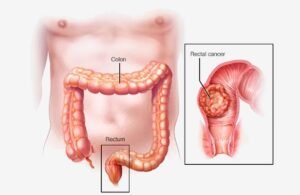
What Are Rectal Cancer Surgery Options?
Rectal cancer is a significant health concern affecting millions of people worldwide. When it…
Read Article →