
Gallstone Symptoms: What the Pain Is Really Telling You
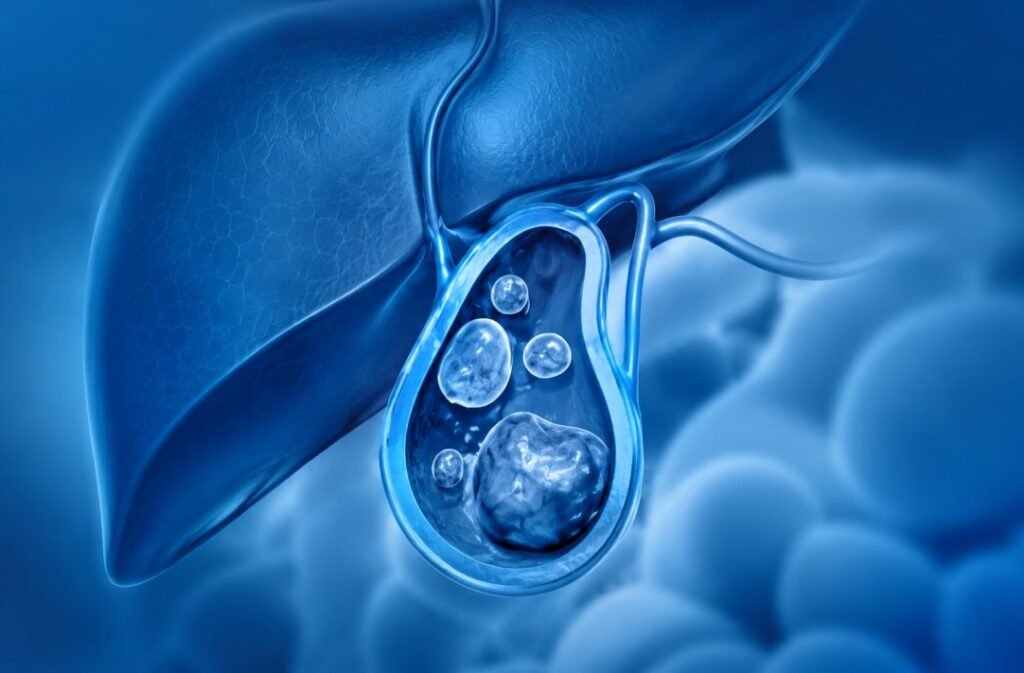
Most people who have gallstones have been misdiagnosed at least once not by a doctor, but by themselves.
Gallstone symptoms are genuinely easy to confuse with common digestive complaints. The difference is in the pattern, the location, and the triggers and knowing those differences is what determines whether you get the right diagnosis early or late.
This guide explains what gallstone symptoms actually feel like, how to distinguish them from other causes of abdominal pain, when symptoms in women present differently, what happens when gallstones cause no symptoms at all, and crucially, when to stop watching and start acting.
Reach Out for Expert Care
What Are Gallstones and Why Do They Cause Symptoms?
Gallstones form when substances in bile, most commonly cholesterol, harden into solid deposits inside the gallbladder. They can range from the size of a grain of sand to as large as a golf ball, and a person can have one or many at a time.
Symptoms arise in one of two ways: either the stone temporarily blocks the duct through which bile flows out of the gallbladder, causing a pressure build-up, or the stone causes chronic irritation and inflammation of the gallbladder wall. Both trigger pain, and both require medical evaluation.
What Does a Gallstone Attack Feel Like?
The classic gallstone episode called biliary colic has a recognisable pattern that distinguishes it from ordinary indigestion once you know what to look for.
It typically begins as a dull ache in the upper right or upper centre of the abdomen, usually within one to two hours of eating. Over 15 to 30 minutes, this ache intensifies into a severe, cramping pain.
The pain is often described as:
- A deep, boring pressure in the upper right abdomen
- Pain that radiates to the right shoulder blade or between the shoulder blades
- A squeezing sensation below the ribcage on the right side
- Constant in character not coming in waves the way intestinal cramps do
Where Is Gallstone Pain Felt?
Gallstone pain location is one of its most useful identifying features.
Primary location: The upper right quadrant of the abdomen, directly below the ribcage on the right side.
Referred pain locations: Pain frequently radiates to:
- The right shoulder blade (scapula)
- The area between the two shoulder blades (interscapular region)
- The right side of the neck, in some cases
This referred pain pattern is why patients sometimes believe they are experiencing a muscle problem or even cardiac symptoms, particularly when the pain radiates toward the shoulder and jaw.
Silent Gallstones: When There Are No Symptoms at All
A significant proportion of people with gallstones never experience any symptoms. These are known as silent or asymptomatic gallstones, and they are typically discovered by accident during an ultrasound done for an unrelated reason.
Silent gallstones can gradually begin to cause symptoms over time. More importantly, large stones, certain types of stones, and stones accompanied by a thickened gallbladder wall carry a higher risk of complications, including chronic inflammation of the gallbladder (cholecystitis) and, in some cases, association with gallbladder cancer.
Whether a patient with silent gallstones requires treatment is a clinical decision that depends on stone characteristics, gallbladder condition, and patient risk factors.
Gallstone Symptoms vs Gas Pain: How to Tell the Difference
This is the question most patients arrive with and it is a genuinely useful one, because the two conditions are frequently confused.
| Feature | Gallstone Pain (Biliary Colic) | Gas / Acidity Pain |
| Location | Upper right abdomen, below ribcage | Variable often central or lower abdomen |
| Character | Deep, constant pressure or cramping | Bloating, churning, comes and goes in waves |
| Onset trigger | Typically after a fatty or large meal | Often after eating quickly, carbonated drinks, spicy food |
| Radiation | Right shoulder blade, between shoulder blades | Rarely radiates to the back or shoulder |
| Duration | 30 minutes to several hours | Usually resolves within 30 minutes with antacid or passing gas |
| Nausea/vomiting | Frequently present; vomiting does not relieve pain | Occasional; vomiting usually helps |
| Relief from antacids | Minimal to none | Often significant |
| Fever | May be present if inflammation develops | Not present |
| Recurrence pattern | episodes repeat with similar character | Variable, often linked to specific foods |
Gallstone Symptoms After Eating Fatty Food
The connection between fatty meals and gallstone attacks is well established and clinically important.
When you eat fat, the small intestine releases a hormone called cholecystokinin, which signals the gallbladder to contract and push bile into the digestive tract. In a person with gallstones, this contraction can force a stone against the neck of the gallbladder or the bile duct, causing the characteristic pressure and pain of biliary colic.
Common dietary triggers reported by patients include:
- Fried or oily food (pakoras, puri, deep-fried snacks)
- Full-fat dairy (paneer in heavy gravy, cream-based dishes)
- Rich meat preparations
- Very large meals in general
If you notice a consistent pattern of abdominal pain or discomfort appearing 30 to 90 minutes after fatty meals, and this has happened more than once, it is worth investigating rather than simply avoiding those foods. Dietary modification reduces the frequency of attacks but does not treat the underlying gallstones.
What Happens If Gallstones Are Left Untreated?
Gallstones that have caused one symptomatic episode are very likely to cause another. Over time, without treatment:
- Attacks tend to become more frequent and more severe
- Chronic inflammation can thicken and damage the gallbladder wall
- Stones can migrate into the common bile duct, causing obstructive jaundice or pancreatitis a serious and painful inflammation of the pancreas
- Long-standing gallstone disease, particularly with a chronically inflamed gallbladder, is associated with an increased risk of gallbladder cancer
Final Thoughts
Gallstones often start with symptoms that resemble ordinary indigestion, which is why many people ignore them for months or even years. Recognising the characteristic pattern pain in the upper right abdomen, especially after fatty meals that may spread to the right shoulder or back can help you seek treatment before complications develop.
If you’ve experienced repeated episodes of this type of pain, a medical evaluation and ultrasound can determine whether gallstones are the cause and whether treatment is appropriate.

 WhatsApp