
Gastrointestinal Stromal Tumors Treatment in Delhi
Gastrointestinal Stromal Tumours (GISTs) are uncommon tumours that develop in the digestive tract, most commonly in the stomach or small intestine. Their behaviour can vary depending on factors such as tumour size, location and growth characteristics. Early evaluation and an appropriate treatment plan are important for managing the condition.
GIST treatment in Delhi may involve surgery, targeted therapy or a combination of treatments, depending on the tumour’s characteristics and whether it has spread. Dr. Deep Goel, a gastrointestinal surgeon and surgical oncologist, provides surgical evaluation and treatment planning for patients with gastrointestinal tumours at BLK-Max Super Speciality Hospital, Delhi.
Understanding Gastrointestinal Stromal Tumours (GISTs)
GISTs develop from specialised cells in the digestive tract known as interstitial cells of Cajal, which help coordinate gastrointestinal movement. Although these tumours most commonly occur in the stomach and small intestine, they can develop elsewhere in the digestive tract.
Some GISTs grow slowly, while others may behave more aggressively and spread to other parts of the body. The risk of recurrence or spread depends on factors including tumour size, location, mitotic activity and whether tumour rupture has occurred.
Common Symptoms of GIST
Symptoms vary according to the tumour’s size and location. Some GISTs are discovered incidentally during investigations for unrelated conditions.
Possible symptoms include:
- Abdominal pain or discomfort.
- A feeling of fullness after eating small amounts.
- Abdominal swelling or a palpable lump.
- Gastrointestinal bleeding, which may cause black stools or vomiting blood.
- Fatigue associated with anaemia.
- Unexplained weakness or, occasionally, weight loss.
These symptoms can also occur with other medical conditions. Medical evaluation is important, particularly when symptoms persist or gastrointestinal bleeding occurs.
How Is GIST Diagnosed?
Accurate diagnosis helps determine the most appropriate treatment for gastrointestinal stromal tumours.
The evaluation may include:
- Imaging tests: CT or MRI scans help assess the tumour’s size, location and possible spread.
- Endoscopy or endoscopic ultrasound: These procedures may help evaluate tumours arising in or near the gastrointestinal wall.
- Biopsy and pathology: A tissue sample may be examined to confirm the diagnosis when clinically appropriate.
- Immunohistochemistry: Tests such as KIT (CD117) and DOG1 staining can help distinguish GIST from other tumours.
- Molecular testing: Testing for mutations, including KIT and PDGFRA, may help guide targeted therapy decisions.
The investigations required depend on the clinical presentation and the proposed treatment plan.
Gastrointestinal Stromal Tumour Treatment Options in Delhi
Treatment for GIST is individualised according to the tumour’s location, size, biological characteristics and extent of disease.
1. GIST Surgery
Surgical removal is an important treatment for localised GISTs that can be safely resected. The objective is to remove the tumour completely while avoiding tumour rupture and preserving normal organ function wherever possible.
The surgical approach depends on the tumour’s size, location and complexity. Selected tumours may be suitable for laparoscopic removal, while others require open surgery.
For detailed information about surgical approaches, preparation, recovery and cost, visit our dedicated page on GIST surgery in Delhi.
2. Targeted Therapy for GIST
Targeted therapy plays an important role in treating certain GISTs. These medicines act on molecular pathways involved in tumour growth.
Imatinib is commonly used for GISTs with mutations that are sensitive to the drug. Depending on the clinical situation, it may be prescribed:
- Before surgery to shrink a tumour when reducing its size may improve surgical options.
- After surgery for selected patients at increased risk of recurrence.
- As systemic treatment for certain unresectable or metastatic GISTs.
Other targeted medicines may be considered depending on the tumour’s mutation profile, previous treatments and response to therapy. Treatment selection requires specialist assessment and, where appropriate, molecular testing.
3. Treatment for Advanced or Metastatic GIST
When GIST has spread to other organs or cannot be removed safely, systemic targeted therapy is often the main treatment.
Surgery may still have a role in carefully selected cases, depending on the response to medication, the location of the disease and the patient’s overall condition. These decisions are best made through a multidisciplinary assessment.
4. Is Chemotherapy or Radiation Therapy Used for GIST?
Conventional chemotherapy is generally ineffective against GIST and is not a standard treatment. Radiation therapy also has a limited role in routine GIST management, although it may occasionally be considered for specific clinical indications.
Treatment decisions should be based on the confirmed diagnosis and specialist recommendations rather than assuming that approaches used for other gastrointestinal cancers will be suitable for GIST.
When Is Surgery Recommended for GIST?
Surgery may be recommended for localised tumours that can be removed safely. The decision depends on tumour size, location, imaging findings, the risk of rupture and the patient’s general health.
Some small GISTs may be monitored rather than removed immediately, depending on their characteristics and the specialist’s assessment. For larger or more complex tumours, targeted therapy before surgery may sometimes help reduce tumour size or make removal safer.
The aim of treatment is to achieve the best possible disease control while minimising complications and preserving organ function.
Follow-Up After GIST Treatment
Follow-up is important after treatment because some GISTs can recur, even after apparently complete surgical removal.
The follow-up plan may include:
- Periodic imaging, such as CT or MRI, according to the assessed risk of recurrence.
- Review of pathology and molecular findings.
- Monitoring for symptoms or treatment-related side effects.
- Assessment of whether additional targeted therapy is appropriate.
- Review of treatment response in patients receiving systemic medication.
The frequency of follow-up depends on tumour characteristics, recurrence risk and the treatment received.
Life After GIST Surgery
Life after GIST cancer surgery includes regular check-ups, targeted therapy, diet changes, and ongoing recovery support.
- Regular check-ups: Patients are closely monitored through scans and blood tests
- Targeted therapy medicines: These are given to high-risk patients. These medicines block the growth signals that GIST cells receive
- Diet changes: Some patients may need to eat smaller, more frequent meals if part of their stomach/intestine was removed
- Emotional support: Joining a cancer support group or speaking with a counsellor can help cope with anxiety
Dr. Deep Goel adds, “Life after GIST surgery is not just about recovery; it’s about regaining confidence, health, and the ability to live fully. With the right follow-up and lifestyle choices, patients can look forward to long, healthy lives.”
Why Consult Dr. Deep Goel for GIST Treatment in Delhi?
Gastrointestinal stromal tumours require an individualised approach because their behaviour and response to treatment can vary considerably.
Dr. Deep Goel specialises in gastrointestinal surgery and surgical oncology. Patients can discuss their diagnosis, surgical suitability and available treatment approaches during a consultation.
Treatment planning may involve reviewing imaging, pathology and molecular findings to determine whether surgery, targeted therapy or a combination of treatments is appropriate.
Patients should bring their previous scan reports, biopsy or pathology reports and details of any medicines already prescribed to help support the consultation.
Final Thoughts
GIST cancer surgery offers the best chance of long-term survival and improved quality of life. Whether it’s laparoscopic GIST surgery for smaller tumours or open GIST surgery for larger, complex cases, timely intervention can be life-saving.
With proper GIST surgery recovery, follow-up care, and ongoing support, patients can return to their everyday lives within weeks to months. India, with its combination of affordability, advanced technology, and expert surgeons, provides excellent care for both domestic and international patients.
If you or a loved one has been advised to undergo Gastrointestinal Stromatous Tumour Surgery, consulting an experienced specialist will be the most crucial step toward healing and hope
Medical Disclaimer
This page provides general educational information and is not a substitute for professional medical advice. Diagnosis and treatment decisions should be made after reviewing the patient’s clinical history and investigations.

Dr. Deep Goel’s Medical Content Team
Dr. Deep Goel’s medical content team specialises in creating accurate, clear, and patient-focused healthcare content. With strong clinical understanding and expertise in technical writing and SEO, the team translates complex medical information into reliable, accessible resources that support informed decisions and uphold Dr. Goel’s commitment to quality care.
This content is reviewed by Dr. Deep Goel
Related Blogs
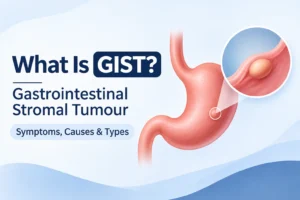
What Is GIST? Gastrointestinal Stromal Tumour Symptoms, Causes & Types
Have you come across the term GIST in a medical report or heard your doctor…
Read Article →
How Can Diet and Nutrition Help in Managing Gastrointestinal Cancer?
Gastrointestinal (GI) cancer, including stomach, colorectal, liver, and pancreatic cancers, is a major global health…
Read Article →
What Should You Eat for Faster Recovery After Gastrointestinal Surgery?
Gastrointestinal (GI) surgeries, whether for conditions like Crohn’s disease, ulcers, or tumours, are complex and…
Read Article →
How Lifestyle Affects Gastrointestinal Cancer: Risks & Prevention
Gastrointestinal cancer is a pressing health concern and impacts millions of people across the world.…
Read Article →
Obesity and Gastrointestinal Cancers: Know the Risks
While the association of obesity with conditions like diabetes and cardiovascular diseases is well-known, emerging…
Read Article →
How Robotic Surgery is Transforming Gastrointestinal Procedures?
For years, gastrointestinal (GI) surgery has been offering treatment for conditions ranging from acid reflux…
Read Article → WhatsApp