
Is Olive Oil Good for Weight Loss? Benefits, Calories and How to Use It
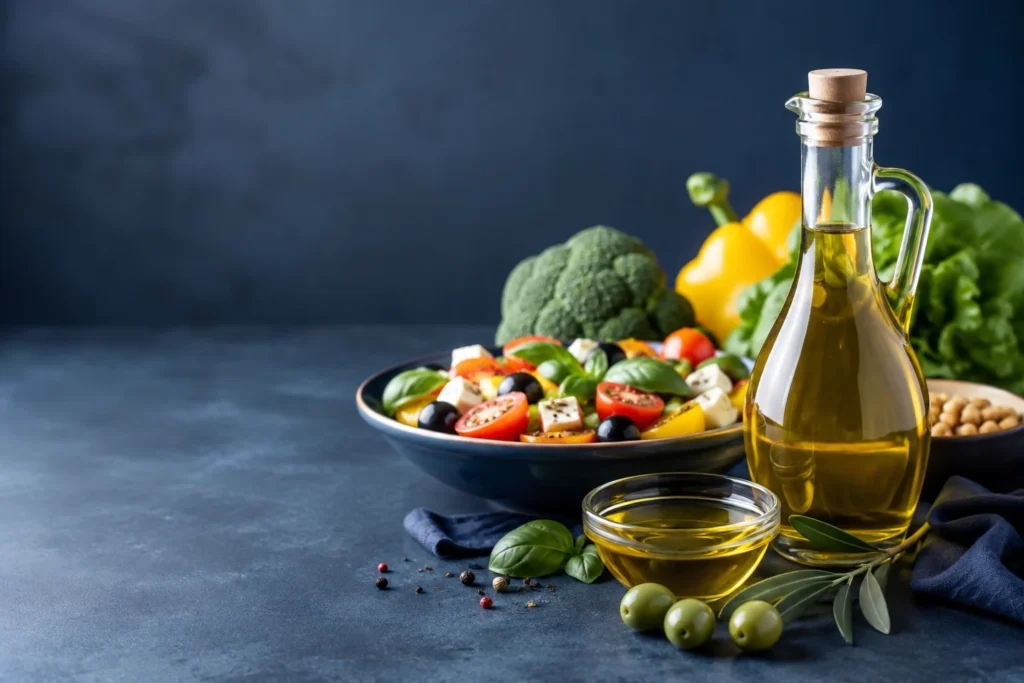
Olive oil is often considered one of the healthier cooking fats, particularly as part of a balanced diet, but when it comes to weight loss, an important question remains: does olive oil actually help you lose weight, or can it contribute to weight gain?
The answer depends largely on how much you consume and what role it plays in your overall diet.
Reach Out for Expert Care
Can Olive Oil Help With Weight Loss?
Olive oil is rich in monounsaturated fatty acids, particularly oleic acid. Extra virgin olive oil also contains naturally occurring antioxidant compounds.
These characteristics make olive oil a useful source of dietary fat. However, consuming olive oil on its own does not directly cause the body to burn more fat.
Its potential role in weight management is better explained through the context of the overall diet. For example, using a moderate amount of olive oil in place of certain less healthy fats can help create a more balanced dietary pattern.
Olive oil is also a key component of the Mediterranean diet, which includes vegetables, fruits, legumes, whole grains, nuts, fish and other minimally processed foods. The potential benefits of this dietary pattern stem from the combination of foods and lifestyle habits, rather than from olive oil alone.
How Olive Oil May Fit Into a Weight-Loss Diet
1. It Can Make Meals More Satisfying
Fat contributes to the taste and texture of food and may help some people feel satisfied after meals.
Adding an appropriate amount of olive oil to vegetables, salads, or other nutritious foods can therefore make healthy meals more enjoyable and sustainable.
However, more is not necessarily better. Olive oil is calorie-dense, so excessive consumption can increase total calorie intake.
2. It Can Replace Other Cooking Fats
One practical way to use olive oil is to replace rather than simply add it.
For example, you may use a measured amount of olive oil instead of another cooking fat or a high-calorie dressing. This allows you to incorporate olive oil without unnecessarily increasing your total calories.
3. It Can Be Part of a Mediterranean-Style Eating Pattern
The Mediterranean diet is built around vegetables, fruits, legumes, whole grains, nuts, fish and healthy sources of fat, with olive oil being a prominent component.
Rather than focusing on a single “weight-loss food,” this approach emphasises overall dietary quality, appropriate portions and sustainable eating habits.
Does Olive Oil Reduce Belly Fat?
This is one of the most common questions surrounding olive oil for weight loss.
The answer is that no food can specifically target belly fat.
Consuming olive oil does not cause the body to selectively burn abdominal fat. A reduction in belly fat generally occurs as part of overall body fat loss.
A sustainable approach to reducing excess body fat may include appropriate calorie intake, regular physical activity, adequate sleep and a nutritious diet.
If excess weight persists despite consistent lifestyle efforts, it may be helpful to discuss your situation with a healthcare professional to determine whether an underlying condition or a more comprehensive weight-management approach is warranted.
Best Ways to Include Olive Oil in Your Diet
If you are trying to lose weight, you do not necessarily need to eliminate olive oil from your diet.
You can use a moderate quantity to:
- Dress salads and vegetables
- Cook vegetables, fish or other foods
- Prepare homemade salad dressings
- Add flavour to whole grains and legumes
- Replace another cooking fat where appropriate
The important principle is portion control.
For example, adding several tablespoons of olive oil to an already calorie-dense meal simply because olive oil is considered “healthy” may make it harder to maintain a calorie deficit.
Healthy food choices still need to fit within your overall nutritional requirements.
Can Olive Oil Cause Weight Gain?
Calling olive oil a healthy fat does not mean that it is calorie-free. Consuming more calories than your body requires over time can contribute to weight gain, regardless of whether those calories come from healthy or less healthy foods.
Therefore, the goal should not be to consume large quantities of olive oil for weight loss.
Instead, think about where olive oil fits into your overall diet and whether it is replacing another source of fat or simply adding extra calories.
What If Diet and Exercise Aren’t Enough for Weight Loss?
For many people, changes in diet and physical activity are important components of weight management. However, obesity is a complex medical condition, and some individuals may continue to struggle with excess weight despite sustained lifestyle efforts.
Obesity can also be associated with conditions such as type 2 diabetes, high blood pressure, sleep apnea, fatty liver disease and mobility problems.
When lifestyle measures and appropriate medical treatment do not provide adequate or lasting results, bariatric surgery may be considered for eligible patients following a detailed medical evaluation. Bariatric surgery is designed to support sustained weight loss and may also improve obesity-related metabolic conditions.
Depending on a patient’s health profile and clinical requirements, procedures may include sleeve gastrectomy, gastric bypass and other bariatric procedures.
Gastric bypass surgery, for example, combines restriction with changes to the digestive process and may be particularly useful for selected patients with severe obesity, diabetes or reflux disease. The appropriate approach should always be determined after individual assessment rather than based on weight alone.
Olive Oil for Weight Loss: What Does the Evidence Suggest?
Olive oil can have a place in a healthy diet, but it should not be viewed as a standalone weight-loss treatment.
The key distinction is between using olive oil as part of a balanced diet and adding large amounts of it in the belief that it will burn fat.
If you enjoy olive oil, use a measured amount and consider it as one component of your overall eating pattern. Pay attention to portion sizes, total calorie intake, protein, fibre, vegetables, whole grains and other nutrient-dense foods.
For people living with significant obesity, the focus should extend beyond individual foods to a comprehensive and sustainable approach to weight management.
When Should You Consult a Bariatric Specialist?
Consider seeking professional guidance if:
- You have significant or persistent obesity
- Previous diet and exercise attempts have not produced lasting results
- Your weight is affecting mobility or daily activities
- You have obesity-related conditions such as diabetes, hypertension or sleep apnea
- You have experienced repeated weight regain
- You want to understand whether medical or surgical weight-management options are appropriate
A bariatric specialist can assess your BMI, medical history, previous weight-loss attempts and associated health conditions before recommending an appropriate treatment pathway.
Olive Oil for Weight Loss: The Bottom Line
So, does olive oil really work for weight loss?
Olive oil may fit into a weight-management diet, particularly when it replaces other fats, but it should not be considered as the only weight-loss treatment or a food that specifically burns belly fat. Evidence on the direct role of olive oil in weight loss remains mixed, and more research is needed to determine its independent effects on body weight and body composition.
The most important factors are your overall dietary pattern, portion sizes, calorie balance, physical activity and long-term consistency.
If you are struggling with obesity despite sustained lifestyle changes, speaking with a specialist can help determine whether additional medical or surgical weight-management options may be appropriate.

 WhatsApp