
Gallstones Treatment in Delhi
Gallstones are one of the most common digestive conditions in India, affecting millions of people across all age groups. These are hardened deposits that form inside the gallbladder, a small, pear-shaped organ below your liver that stores bile.
While some people carry gallstones for years without any symptoms, others experience intense pain, nausea, and complications that can become life-threatening if left untreated.
The good news is that gallstone treatment in Delhi has advanced through minimally invasive laparoscopic surgery or, in rare cases, open surgery. Patients today have access to safe, effective options that offer quick recovery and lasting relief.
At BLK-Max Super Speciality Hospital, New Delhi, gallstone surgery is performed under the expert care of Dr. Deep Goel, a senior gastrointestinal surgeon and surgical oncologist with 27+ years of clinical experience.
In this guide, we’ll walk you through the important things you need to know about gallstone treatment, like what causes gallstones, how they are diagnosed, the surgical and non-surgical options available, what recovery looks like, the cost involved, and when to seek expert care.
What Are Gallstones, and Why Do They Form?
The gallbladder’s function is to store and aid in digestion by the release of bile ( digestive fluid produced by the liver), into the small intestine to aid fat digestion. Gallstones are formed when the bile contains too much cholesterol or bilirubin, or when the gallbladder does not empty properly.
There are two main types of gallstones:
- Cholesterol gallstones: The most common type, appearing yellow-green. They form when bile has excess cholesterol that cannot be dissolved.
- Pigment gallstones: Smaller and darker, these develop when bile contains too much bilirubin.
Who Is at Risk of Gallstones?
The risk of developing gallstones increases in individuals who are overweight or obese, have a family history of the condition, eat a high-fat, low-fibre diet, are over the age of 40, have diabetes or liver disease, or are undergoing rapid weight loss, such as after bariatric surgery.
Dr. Deep Goel says, “Gallstones are often silent for years, but when they start causing symptoms, they can escalate quickly.”
Symptoms of Gallstones
Many people with gallstones have no symptoms at all; these are known as silent gallstones. However, when a gallstone blocks the bile duct or causes inflammation, the symptoms can be :
- Sudden pain in the upper right abdomen
- Pain that radiates to the right shoulder or between the shoulder blades
- Nausea and vomiting
- Indigestion, bloating, and belching
- Fever and chills (if infection is present)
- Jaundice (if the bile duct is blocked)
- Dark-coloured urine and pale stools
If you experience sudden, severe abdominal pain along with fever or jaundice, seek medical attention immediately. These signs may indicate a complication that requires urgent gallstone treatment in Delhi.
Gallstones Treatment Options in Delhi
Treatment of gallstones depends on whether the gallstones are causing symptoms, their size, and whether any complications have developed.
1. Medications to Dissolve Gallstones
Certain bile acid tablets, such as ursodeoxycholic acid, can slowly dissolve small cholesterol gallstones. However, this approach:
- Takes months to years to show results
- Only works for small, cholesterol-based stones
- Does not prevent recurrence once stopped
This is rarely the first choice and is typically reserved for patients who cannot undergo surgery.
2. Laparoscopic Cholecystectomy
For most patients with symptomatic gallstones, laparoscopic gallbladder surgery, the minimally invasive removal of the gallbladder, is the most effective and definitive gallstones treatment. This procedure involves:
- 3-4 tiny incisions in the abdomen
- A small camera (laparoscope) that guides the surgeon in real time
- Complete removal of the gallbladder along with the stones inside it
3. Open Cholecystectomy
In cases where laparoscopic surgery is not feasible, such as severe inflammation, scarring from prior surgeries, or anatomical complexity, open surgery may be required. This involves a larger incision in the abdomen and a longer hospital stay.
4. ERCP (Endoscopic Retrograde Cholangiopancreatography)
When gallstones have migrated into the common bile duct, an ERCP procedure may be performed, sometimes alongside or before surgery. A flexible tube with a camera is passed through the mouth to reach the bile duct, and the stones are removed or broken up.
Dr. Deep Goel explains, “The choice between these options is never one-size-fits-all. We evaluate every patient thoroughly before recommending the right approach, whether it’s a straightforward laparoscopic procedure or a more complex combined intervention involving the bile duct.”
What Happens During Laparoscopic Gallstone Surgery?
Here is a step-by-step overview of what to expect:
- The patient is placed under general anaesthesia
- 3 to 4 small incisions are made in the abdomen
- Carbon dioxide gas is introduced to create a working space inside the abdomen
- A laparoscope, a thin, lighted camera, is inserted, projecting a magnified view on a monitor
- Surgical instruments are used to carefully free the gallbladder from surrounding tissue and the bile duct
- The gallbladder containing the gallstones is removed through one of the small incisions
- The incisions are closed with sutures or surgical glue
- The procedure usually takes 45 minutes to 1.5 hours, and most patients are discharged the same day or within 24 hours.
Recovery After Gallstone Surgery
One of the biggest advantages of laparoscopic gallstone surgery is how quickly patients recover.
Immediate Post-Operative Care
- Patients are monitored for a few hours in the recovery area after surgery
- Mild pain and bloating are common and managed with medication
- Light liquids are usually introduced within a few hours of the procedure
Gallstone Surgery Recovery Time
- Laparoscopic surgery: Most patients resume normal activities within 1-2 weeks
- Open surgery: Recovery typically takes 4-6 weeks, with more restricted physical activity during this period
Diet After Gallstone Surgery
After gallbladder removal:
- Begin with light, easily digestible foods for the first few days
- Avoid fatty, fried, or heavily spiced meals for 2-4 weeks
- Eat small portions and more frequent meals
- Gradually return to a normal, balanced diet over a few weeks
Most patients adapt well to life without their gallbladder and experience no long-term dietary restrictions.
Long-Term Care
- A follow-up appointment is scheduled within 1-2 weeks of gallstone surgery.
- Further check-ups may be advised depending on the progress of recovery.
- If ERCP was performed alongside surgery, additional monitoring will be recommended.
Is There a Connection Between Gallstones and Other GI Conditions?
Gallstones do not exist in isolation. When left untreated, they can trigger or worsen several related gastrointestinal conditions:
- Pancreatitis: A gallstone that blocks the pancreatic duct can cause severe inflammation of the pancreas. Patients with a history of pancreatic conditions should be especially aware of gallstone symptoms.
- Liver complications: Chronic bile duct obstruction can lead to liver damage over time, making timely treatment critical for patients with existing liver disease.
- Bile duct infections: Repeated episodes of infection can cause long-term damage to the biliary system.
This is why Dr. Deep Goel takes a whole-system approach to GI health, evaluating not just the gallbladder, but the entire digestive picture, based on his expertise across GI cancer surgery and complex hepatobiliary conditions.
Life After Gallstone Treatment
For most patients, life returns to normal within a few weeks after gallstone surgery.
- Diet: Most patients tolerate a regular, balanced diet within 4-6 weeks
- Physical activity: Light walking begins within days; more activity resumes after 2-4 weeks.
- Long-term outcomes: Gallstone recurrence is not possible once the gallbladder is removed, making cholecystectomy a permanent solution.
- Digestive health: A small number of patients may experience mild, temporary loose stools, a condition called post-cholecystectomy diarrhoea, which typically resolves on its own within a few weeks.
Why Choose Dr. Deep Goel for Gallstones Treatment in Delhi?
Choosing the right specialist directly impacts treatment success and recovery. Dr Deep Goel is recognised for his expertise in advanced GI and Laparoscopic Surgery at BLK-Max Super Speciality Hospital, offering patients a combination of clinical excellence and patient-focused care.
What sets him apart:
- 27+ years of surgical experience
- Expertise in advanced laparoscopic and GI surgery
- High success rates with minimally invasive techniques
- Comprehensive care for complex hepatobiliary conditions
- Practising at a leading tertiary care hospital in Delhi
Ready to Take the Next Step? Consult Dr. Deep Goel in Delhi
Gallstones may be common, but they should never be dismissed or managed with guesswork. Left untreated, what begins as occasional discomfort after meals can turn into a medical emergency involving the bile duct, pancreas, or liver.
With modern laparoscopic techniques available at BLK-Max Super Speciality Hospital, Pusa Road, New Delhi, gallstone surgery in Delhi is safe, effective, and remarkably well-tolerated, offering most patients same-day or next-day discharge and a return to everyday life within two weeks.
Dr. Deep Goel brings over 27 years of experience in gastrointestinal and hepatobiliary surgery to every patient he treats. Whether you have been newly diagnosed, have been living with recurring symptoms, or have been told your gallstones require urgent attention, a one-on-one consultation is the most important step you can take toward lasting relief.

Dr. Deep Goel’s Medical Content Team
Dr. Deep Goel’s medical content team specialises in creating accurate, clear, and patient-focused healthcare content. With strong clinical understanding and expertise in technical writing and SEO, the team translates complex medical information into reliable, accessible resources that support informed decisions and uphold Dr. Goel’s commitment to quality care.
This content is reviewed by Dr. Deep Goel
Related Blogs
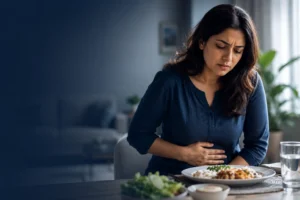
Gallbladder Stone Symptoms in Women: Is Bloating and Gas a Sign?
Bloating and gas are easy to blame on something you ate, but if they keep…
Read Article →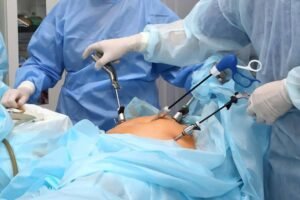
लेप्रोस्कोपिक सर्जरी (Laparoscopic Surgery) क्या है? फायदे, प्रक्रिया, खर्च और रिकवरी की पूरी जानकारी
क्या आपके डॉक्टर ने आपको लेप्रोस्कोपिक सर्जरी (Laparoscopic Surgery) कराने की सलाह दी है? यदि…
Read Article →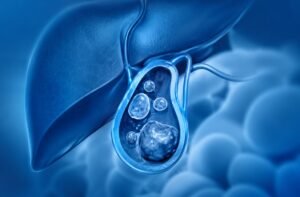
Gallstone Symptoms: What the Pain Is Really Telling You
Most people who have gallstones have been misdiagnosed at least once not by a doctor,…
Read Article → WhatsApp