
Esophageal Cancer: Foods to Avoid and What to Eat Instead
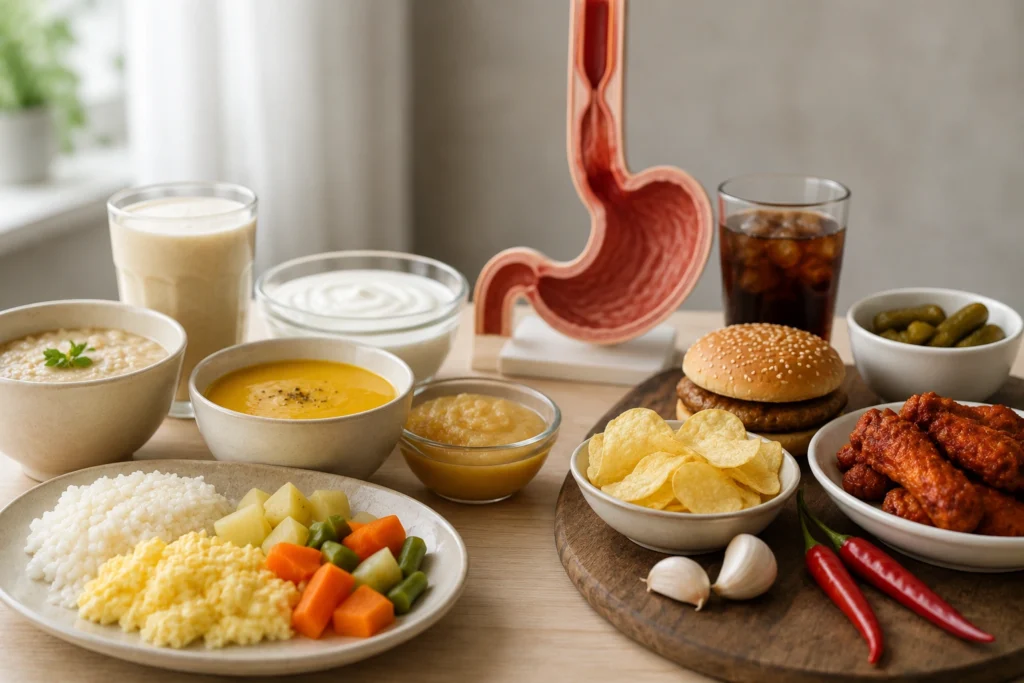
If you have been diagnosed with esophageal cancer, you may be wondering which foods to avoid with esophageal cancer and what you can eat safely.
Esophageal cancer can make swallowing difficult because the food pipe may become narrowed. Treatment can also cause a sore mouth or throat, changes in taste, nausea or other eating problems.
The goal of an esophageal cancer diet is not to unnecessarily restrict food. It is to help you eat safely, stay hydrated and get enough calories and protein to maintain your strength during treatment.
Reach Out for Expert Care
Why Can Esophageal Cancer Make Eating Difficult?
Esophageal cancer can make it harder for food to pass from the mouth to the stomach. Some people first notice difficulty swallowing solid foods, while others may have a feeling that food is getting stuck.
You may experience:
- Difficulty swallowing solid foods
- A feeling that food is stuck
- Pain or discomfort while swallowing
- Difficulty eating larger pieces of food
- Increasing difficulty swallowing over time
Cancer treatment can also affect eating. A sore mouth or throat, dry mouth, nausea and changes in taste may make some foods harder to tolerate.
If swallowing is becoming more difficult, tell your doctor rather than simply removing more foods from your diet.
Which Foods Should You Avoid or Limit With Esophageal Cancer?
When considering esophageal cancer foods to avoid, it is important to understand that these foods do not necessarily make the cancer worse. Some may simply be difficult to swallow or may irritate a sore mouth, throat or esophagus.
You may need to avoid or limit the following if they cause symptoms or are difficult for you to swallow.
Hard, Dry and Crunchy Foods
Hard and dry foods can require more chewing and may be difficult to swallow.
Examples include:
- Chips
- Popcorn
- Crackers
- Nuts
- Hard biscuits
- Dry toast
- Raw, hard vegetables
Softer versions or foods with added moisture may be easier to manage.
Tough or Dry Meat
Tough or dry meat can be difficult to chew and swallow. Dry chicken, tough cuts of meat and overcooked meat may be particularly uncomfortable.
Softer protein sources may be easier, such as:
- Soft eggs
- Tender fish
- Minced meat with gravy
- Soft chicken with sauce
- Yoghurt or other suitable dairy foods
Protein remains important during cancer treatment. The aim is to choose protein that you can comfortably and safely swallow, not to remove protein from your diet.
Very Spicy Foods
Spicy food does not have to be avoided by everyone with esophageal cancer. However, chilli and heavily spiced foods can cause burning or discomfort when the mouth, throat or esophagus is sore.
If spicy foods cause symptoms, reduce the amount or avoid them until you can tolerate them comfortably.
Very Hot Foods and Drinks
Very hot food and drinks can irritate a sore mouth or throat.
Allow food and drinks to cool to a comfortable temperature before consuming them, particularly if swallowing is painful.
Acidic Foods That Cause Discomfort
Some people may experience burning or irritation from acidic foods when the mouth or throat is sore.
These may include:
- Lemon and other citrus fruits
- Citrus juices
- Pineapple
- Tomatoes
- Tomato-based foods
These foods do not need to be avoided by everyone. If they cause burning or pain, choose foods that are easier for you to tolerate.
Alcohol
Alcohol can irritate the mouth and throat and may make some treatment-related symptoms more uncomfortable. If you are undergoing cancer treatment, discuss alcohol with your doctor. In many situations, avoiding alcohol is the safer choice.
What Foods Are Easier to Eat With Esophageal Cancer?
When swallowing is difficult, soft foods for esophageal cancer patients may be easier to manage. Soft and moist foods usually require less chewing and may be more comfortable to swallow.
Depending on your swallowing ability, options may include:
- Khichdi
- Soft rice
- Porridge
- Soft scrambled eggs
- Mashed potatoes
- Soft-cooked vegetables
- Soups
- Yoghurt
- Custard
- Pudding
- Smoothies
- Mashed or pureed fruits
- Tender fish
- Soft minced meat with gravy
These are examples rather than a fixed diet for esophageal cancer patients. Your doctor may recommend a specific food texture based on your swallowing ability.
How Can You Make Food Easier to Swallow?
Small changes in food preparation can make eating more comfortable.
Try to:
- Cut food into small pieces.
- Cook foods until they are soft and tender.
- Add gravy, broth, sauce or yoghurt to dry foods.
- Mash or puree foods when needed.
- Take small bites.
- Chew food thoroughly before swallowing.
- Eat smaller meals more frequently.
- Sit upright while eating and drinking.
If you are losing weight, do not focus only on eating low-calorie foods. Your body needs adequate calories and protein during treatment.
Do You Need a Strict Esophageal Cancer Diet?
Usually, you do not need a highly restrictive diet unless your doctor or dietitian has given you specific instructions.
It can be tempting to search for the best diet for esophageal cancer patients and remove large numbers of foods. However, unnecessary restrictions may make it harder to get enough calories and nutrients, especially when swallowing is already difficult.
There is also no need to completely eliminate sugar simply because you have cancer. Avoiding sugar completely has not been shown to treat cancer.
Instead, focus on a diet that is:
- Safe to swallow
- Comfortable to eat
- Nutritionally adequate
- Appropriate for your treatment and symptoms
Your nutritional needs may also change during esophageal cancer treatment and recovery, so your diet may need to be adjusted over time.
When Should You Speak to Your Doctor?
Worsening swallowing problems should not be ignored.
Contact your doctor or cancer care team if you experience:
- Increasing difficulty swallowing
- Food repeatedly getting stuck
- Coughing or choking while eating or drinking
- Pain when swallowing
- Difficulty drinking enough fluids
- Repeated vomiting
- Unplanned weight loss
- Increasing weakness
Coughing or choking during meals may mean that food or liquid is not being swallowed safely. If you cannot eat enough by mouth, additional nutritional support may sometimes be needed.
The Right Diet Depends on Your Symptoms
There is no single esophageal cancer diet that works for everyone. Some people may continue eating a relatively normal diet, while others may need soft, mashed or blended foods because swallowing has become difficult.
The focus should be on eating safely, staying hydrated and maintaining adequate nutrition.
If swallowing becomes harder, food repeatedly gets stuck, or you are losing weight without trying, speak with your doctor. Do not keep removing foods from your diet without professional advice.
Diet can help make eating safer and more comfortable during esophageal cancer treatment, but it does not replace cancer treatment.

 WhatsApp