
Colon Cancer Surgery: What You Need to Know?
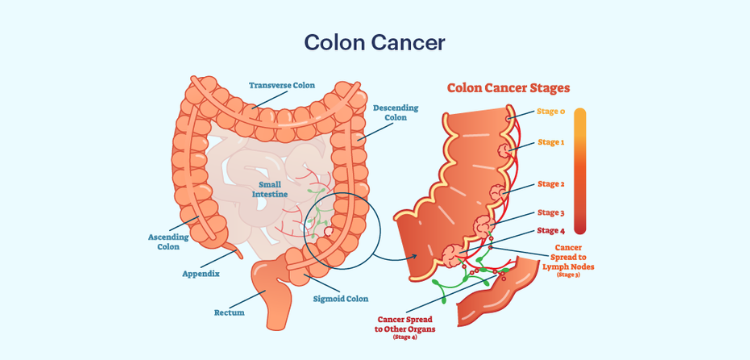
In 2020, colon cancer emerged as the third most widespread cancer globally, affecting more than 1.9 million people. This disease is a formidable foe, ranking as the second major contributor to cancer-related deaths, causing nearly 935,000 fatalities within the same year.
While the diagnosis can be overwhelming, it’s crucial to understand that effective treatment options are available. Among these options, colon cancer surgery plays a pivotal role in removing tumors and preventing the spread of the disease.
As a specialist in these medical domains, Dr. Goel is committed to delivering the finest care for patients undergoing colon cancer therapy. His broad knowledge and skill ensure patients receive high-quality care, employing innovative procedures and a sympathetic approach to make their journey through rectal cancer treatment as painless as possible.
As per Dr. Deep Goel, the treatment of choice for colon cancer is surgical resection, which involves removing the tumor through surgery. He says, “Surgery is performed to eradicate the cancer and reconstruct the bowel, if possible, so your postoperative bowel function is normal or near normal.”
This in-depth guide will explore colon cancer, surgery, and recovery. Essential global statistical facts will accompany the text to shed light on the magnitude of this issue.
Reach Out for Expert Care
What is Colon Cancer?
Colon cancer, or colorectal cancer, is a malignancy that originates in the colon or rectum, parts of the large intestine. It often begins as small, noncancerous polyps that can become cancerous if not removed.
Colon cancer is prevalent in developed and developing countries, with varying rates based on lifestyle, diet, and genetic factors.
In 2020, the highest incidence of colon cancer was reported in Europe, with 27.9 new cases per 100,000 people.
Colon Cancer Surgery: An Overview
Colon cancer surgery is a critical component of the treatment plan for many patients. It aims to remove the cancerous growth and, in some cases, nearby lymph nodes to prevent the spread of the disease. The choice of surgery depends on various factors, such as the cancer’s stage, location, and the patient’s overall health.
According to the WHO, the global survival rates for colon cancer have improved, mainly due to early detection and advancements in treatment options, including surgery.
What are the Types of Colon Cancer Surgery?
a) Polypectomy and Local Excision
Polypectomy and local excision are minimally invasive procedures for removing polyps from the colon or rectum. They are often performed during a colonoscopy and involve snaring and removing the polyp.
According to Dr. Deep Goel, when conducted early, polypectomy can reduce the risk of colon cancer by up to 90%. Dr. Goel’s commitment to precise, minimally invasive techniques empowers patients with the best possible outcomes. His dedication to early detection and intervention is reflected in the statistics, demonstrating the impact of these procedures in preventing colon cancer progression and ensuring patients receive top-quality care.
b) Laparoscopic Surgery
This minimally invasive approach involves small incisions and specialized instruments to remove tumors and affected tissue, minimizing scarring and expediting recovery.
Laparoscopic surgery for colon cancer has shown a 60-70% decrease in hospital stay compared to open surgery. Dr. Goel’s proficiency in Laparoscopic Surgery ensures patients benefit from the latest advancements in surgical techniques, promising improved outcomes and enhanced patient comfort.
c) Open Surgery
Traditional open surgery is sometimes necessary, involving a larger incision. This approach is typically reserved for advanced cancer cases or when laparoscopic surgery isn’t feasible.
A patient under Dr. Goel’s care expressed, “I underwent resection and anastomosis surgery by Dr. Deep Goel for colon cancer. His expertise and care were exceptional. The surgery was successful, and my recovery has been remarkable. Dr. Goel’s skillful approach made me feel confident throughout the process, and I’m grateful for the quality of care I received. Thanks to his dedication and expertise, I’m now on the path to a healthier life.”
d) Resection and Anastomosis
During resection, the surgeon removes the cancerous portion of the colon, and the healthy ends are reconnected in a procedure known as anastomosis.
e) Colostomy
Sometimes, when reconnection isn’t possible, a colostomy is created. This is a surgically created opening in the abdomen through which waste is collected in a bag. It can be temporary or permanent.
What to Expect Before the Surgery?
Before undergoing colon cancer surgery, you will experience a comprehensive evaluation of your overall health and the stage of your cancer. Your medical team will discuss the procedure, potential risks, and benefits with you. You’ll also receive instructions on how to prepare, including dietary changes and bowel preparations.
Dietary changes include:
- Clear Liquid Diet: This diet primarily includes clear liquids such as broth, clear juices, and gelatin. Its purpose is to maintain a clear colon, reducing the risk of complications during surgery.
- Low-Fiber Diet: High-fiber foods like whole grains, raw vegetables, and fruits with skins are restricted. This minimizes residue in the colon, promoting a smoother surgical experience.
- Avoiding Gas-Producing Foods: Some patients are advised to avoid gas-inducing foods such as beans, carbonated beverages, and certain vegetables. This precaution helps prevent excessive gas during the surgical procedure, enhancing safety and comfort.
Following these dietary guidelines is crucial for a successful surgical outcome, so adhere to your medical team’s recommendations to prepare the best for colon cancer surgery.
During the Surgical Procedure
During surgery, the cancerous part of the colon is carefully removed, and nearby lymph nodes may be assessed for signs of cancer spread. The surgeon will use the chosen laparoscopic or open approach to complete the procedure. The extent of surgery and the necessity of a colostomy will depend on individual circumstances.
Recovery and Life After Surgery
Dr. Deep Goel emphasizes that recovery and life after surgery are significant aspects of a patient’s journey. For those undergoing colon cancer surgery, the recovery timeline varies based on the type of procedure.
His approach ensures minimal discomfort and a quicker return to daily life. Some patients are up and walking within 24 hours of surgery. He emphasizes an enhanced recovery process to speed healing and reduce pain medication usage.
For patients requiring more extensive surgeries, the road to full recovery may be longer, often involving physical therapy. Dr. Goel aims to help patients regain their quality of life while monitoring their health closely.
Dr. Goel’s patient shared his experience, stating, “Thanks to Dr. Deep Goel’s competence, my recovery from colon cancer surgery went more smoothly than I expected. I was up and walking the next day, and the minimal soreness was a nice surprise. Dr. Goel’s dedication to a faster recovery made all the difference, and I’m grateful for his superb care, which allowed me to return to my everyday life sooner.”
What are the Enhanced Recovery Protocols?
Advanced healthcare systems have adopted enhanced recovery protocols to facilitate a smoother and faster recovery process for colon cancer surgery patients.
Dr. Deep Goel advocates Enhanced Recovery Protocols, comprehensive strategies that improve patient outcomes and accelerate recovery after surgery. These protocols encompass various aspects, including preoperative optimization, minimally invasive techniques, reduced opioid use, early mobilization, and personalized care plans. They aim to minimize pain, shorten hospital stays, and enhance the overall patient experience, ensuring a smoother, quicker return to everyday life after surgery.
How Much Does Colorectal Cancer Surgery Cost In Delhi?
The cost of colorectal cancer surgery in Delhi is influenced by various factors, resulting in a range typically varying between INR 2,50,000 to INR 4,20,000. The minimum expense for such surgery is around INR 2,50,000, while the average cost is around INR 3,30,000. However, the maximum price of this surgical procedure can reach INR 4,20,000.
Conclusion
Colon cancer surgery is a critical step on the path to recovery. Dr. Deep Goel, an experienced gastrointestinal surgeon, ensures patients receive the highest standard of care. While the journey may have its challenges, it’s essential to remember that many patients lead healthy, fulfilling lives after colon cancer surgery with the right medical team and support. Regular follow-up and surveillance remain crucial for monitoring and managing the disease effectively.
FAQs about Colon Cancer Surgery
-
How do I prepare for colon cancer surgery?
Preparing for surgery includes following dietary instructions, preparing your bowels, and discussing current medications with your healthcare team.
-
Will I have a colostomy after colon cancer surgery?
The need for a colostomy depends on individual circumstances. It may be temporary or permanent; your surgeon will discuss this with you before the procedure.
-
What are the potential risks of colon cancer surgery?
Potential risks include bleeding, infection, blood clots, and damage to nearby structures. Your surgeon will explain the potential risks and benefits during the pre-surgery consultation.
-
Can I resume regular activities after colon cancer surgery?
Most patients can gradually return to daily routines, but the timeline may vary. Consult with your healthcare team to determine when it’s safe to resume specific activities.
-
Are there any restrictions on driving or travel after colon cancer surgery?
Your surgeon will guide you on when it is safe to drive and travel. Before engaging in these activities, it’s essential to ensure you fully recover and do not take medications that may impair your abilities.
Read Also: What You Need To Know About Gallbladder Cancer Surgery?

 WhatsApp