
Can GERD Be Cured with Surgery?
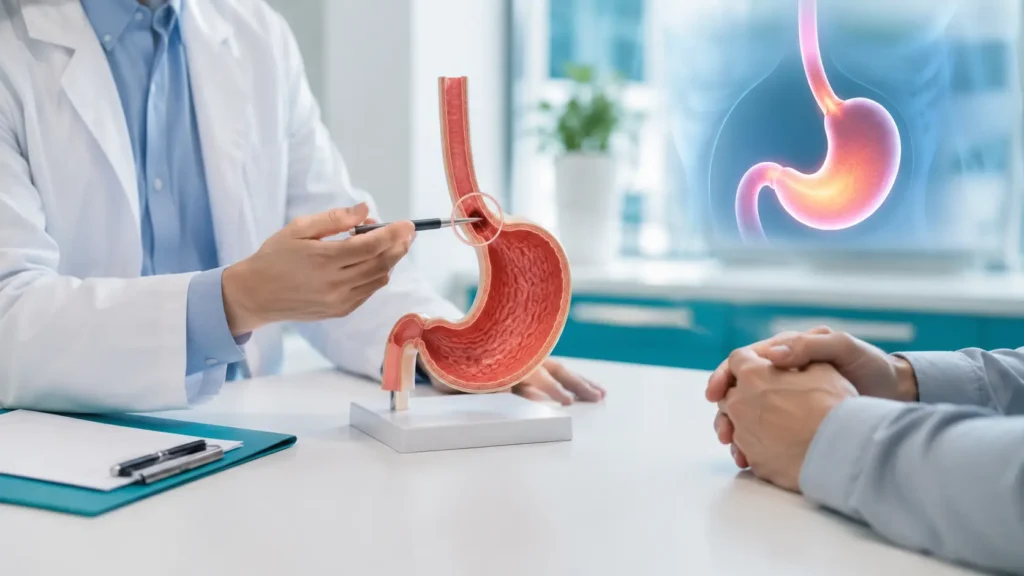
Living with constant heartburn, acid reflux, and vomiting can make everyday life uncomfortable. While many people find relief with lifestyle changes, some continue to experience symptoms despite treatment. This leads to an important question: Can GERD be cured with surgery?
The answer is yes – for carefully selected patients, surgery can provide long-term relief from GERD symptoms and significantly reduce or eliminate acid reflux. However, surgery is not the first treatment option for everyone. Understanding who benefits the most can help you make an informed decision.
Reach Out for Expert Care
What Is GERD?
Gastroesophageal reflux disease (GERD) is a chronic condition in which stomach acid repeatedly flows back into the oesophagus. This happens when the lower oesophageal sphincter (LES) the valve between the oesophagus and stomach does not close properly.
Common symptoms include:
- Frequent heartburn
- Acid regurgitation
- Chest discomfort
- Difficulty swallowing
- Chronic cough
- Hoarseness of voice
- Sour taste in the mouth
If left untreated, long-standing GERD can increase the risk of complications such as oesophagitis, strictures, Barrett’s oesophagus, and, in some cases, oesophageal cancer
Can GERD Be Permanently Cured with Surgery?
Yes, For many patients, surgery offers long-lasting control of GERD symptoms rather than simply managing them with medication.
Anti-reflux surgery restores the natural barrier that prevents stomach acid from flowing back into the oesophagus. As a result, many patients experience:
- Significant reduction in heartburn
- Relief from acid regurgitation
- Better sleep
- Improved quality of life
- Reduced dependence on acid-suppressing medications
However, no treatment can guarantee that reflux will never return. A small number of patients may develop recurrent symptoms years later, especially if other health changes occur.
Learn more about GERD surgery, including the available procedures, recovery, and expected costs
Who Should Consider GERD Surgery?
Surgery is generally recommended only after a thorough evaluation by an experienced gastrointestinal surgeon.
You may be a suitable candidate if you:
- Continue to have GERD symptoms despite medication
- Need lifelong acid-suppressing medicines
- Experience troublesome regurgitation that medications do not control
- Have a large hiatal hernia associated with reflux
- Develop complications such as Barrett’s oesophagus or oesophagitis
- Prefer a long-term treatment option instead of taking daily medication
Not everyone with occasional acid reflux requires surgery. Most people with mild symptoms respond well to dietary changes, weight management, and medicines.
How Does Surgery Help Treat GERD?
GERD surgery strengthens the valve between the stomach and oesophagus.
By restoring this barrier, surgery helps:
- Prevent acid from flowing backwards
- Reduce inflammation in the oesophagus
- Improve swallowing in appropriate patients
- Decrease reflux-related coughing and throat irritation
- Improve overall comfort after meals
Most modern procedures are performed using minimally invasive laparoscopic or robotic techniques, allowing smaller incisions and faster recovery.
Success Rate of GERD Surgery?
As per data from The Society of American Gastrointestinal and Endoscopic Surgeons, GERD surgery (such as the standard Nissen fundoplication) shows an initial success rate of 90-95% in relieving symptoms like heartburn and acid regurgitation.
Studies have demonstrated that many patients:
- Experience relief from reflux symptoms
- Stop or greatly reduce acid-reducing medications
- Report improved quality of life
- Remain satisfied with their treatment for many years
The success of surgery depends on several factors, including proper diagnosis, patient selection, surgical expertise, and following post-operative recommendations.
What Are the Benefits of GERD Surgery?
For eligible patients, surgery may offer several advantages.
Long-term symptom relief
Many patients enjoy lasting relief from heartburn and acid reflux.
Reduced dependence on medications
Some people are able to discontinue daily acid-suppressing medicines after recovery, while others may need them only occasionally.
Better sleep
Night-time reflux often improves significantly after surgery, helping patients sleep more comfortably.
Improved quality of life
Many patients feel more confident eating, travelling, exercising, and participating in daily activities without constant reflux symptoms.
What Happens After Acid Reflux Surgery?
Recovery varies from person to person, but most patients recover well after minimally invasive surgery.
During recovery, patients are usually advised to:
- Follow a soft diet for the initial weeks
- Eat smaller, frequent meals
- Avoid heavy lifting for a short period
- Attend scheduled follow-up appointments
- Gradually return to normal activities as advised
Many people notice improvement in acid reflux symptoms soon after surgery, although complete healing may take several weeks.
Can GERD Return After Surgery?
Although surgery for acid reflux provides long-term relief for many patients, GERD can occasionally recur over time.
The chances of recurrence may increase due to:
- Significant weight gain
- Age-related changes
- Weakening of the repaired valve
- Large recurrent hiatal hernias
Maintaining a healthy weight, eating balanced meals, and following your surgeon’s recommendations can help support long-term results.
Final Thoughts
For the right patient, GERD surgery can provide long-term relief from chronic acid reflux and improve quality of life. While it is not the first treatment option for everyone, it may be an excellent solution when medications no longer provide adequate control or when complications develop.
If you are living with persistent GERD symptoms, you can consult Dr. Deep Goel an experienced gastrointestinal surgeon to help you understand whether surgery is the most suitable treatment option for your condition
Every patient is different. Whether GERD surgery is appropriate depends on your symptoms, investigations, and overall health.

 WhatsApp