
Does Spicy Food Cause Stomach Cancer? Separating Fact from Fiction
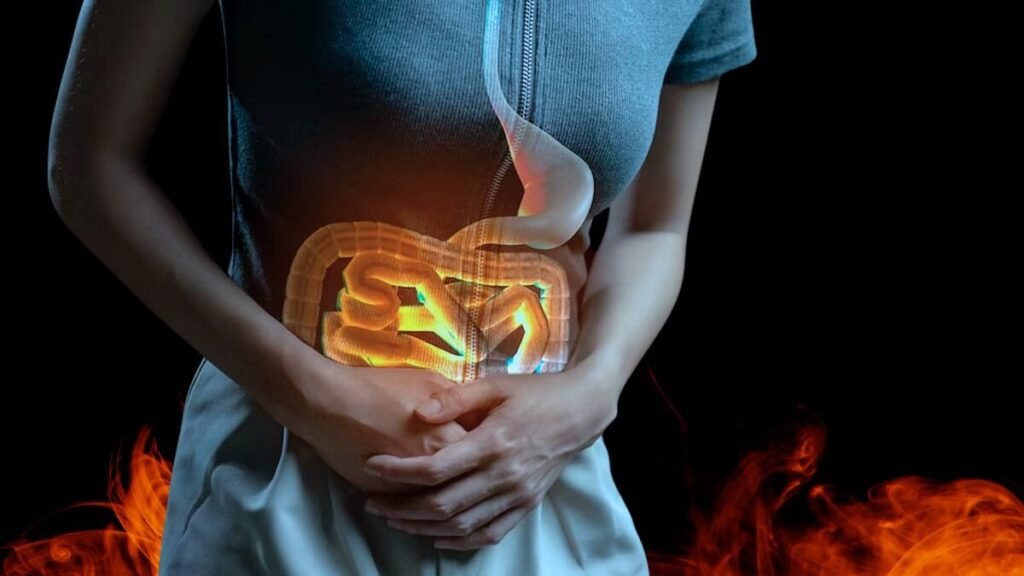
Spicy food does not cause stomach or colon cancer. No strong evidence links chili or capsaicin to either. Real risk factors include H. pylori infection, salted or smoked foods, processed meat, smoking and family history. Persistent symptoms need a doctor’s check.
Burning stomach after a spicy meal? Many people then worry it could be something serious, like stomach or colon cancer. The short answer: spicy food is not a proven cause of either. But it can trigger gastritis, acid reflux and other gut problems. Here is what the facts say, which myths to ignore and which symptoms need a doctor..
Reach Out for Expert Care
Is Spicy Food Bad for Your Stomach?
Spicy food, especially that which contains chili peppers, gets its heat from a compound called capsaicin. While capsaicin can irritate the stomach lining when consumed in large quantities or too frequently, it doesn’t damage a healthy stomach permanently.
In fact, in moderate amounts, spicy food has been shown to:
- Increase metabolism
- Improve circulation
- Even have anti-inflammatory and antioxidant properties
However, if you already have a sensitive digestive system or existing conditions like acid reflux, IBS, or ulcers, spicy foods can worsen symptoms like heartburn or discomfort.
Spicy Food and Common Digestive Disorders
Spicy foods are often blamed for common digestive complaints, but they’re more of a trigger than a cause.
Some conditions worsened by spicy foods include:
- Gastritis: Inflammation of the stomach lining
- GERD (Acid Reflux): Spices can relax the lower esophageal sphincter, allowing acid to escape
- Irritable Bowel Syndrome (IBS): Capsaicin can trigger bloating or cramps in sensitive individuals
- Peptic Ulcers: While once blamed on spicy food, we now know H. pylori bacteria and NSAID overuse are the real culprits
In short, spicy food doesn’t cause these conditions, but if you already have them, they might make things worse.
Dr. Deep Goel a highly experienced surgical gastroenterologist with 27+ years of experience in GI cancer surgery, explains, “Spicy food may not directly cause stomach cancer, but it can certainly lead to complications for those with existing digestive issues like acid reflux, ulcers, or gastritis. If you often experience discomfort after eating spicy meals, it’s important to pay attention and consult a specialist.”
Is There a Link Between Spicy Food and Stomach Cancer?
The direct link between spicy food and stomach cancer is not proven. Most modern research does not support the idea that eating spicy food increases your cancer risk, especially if you consume it as part of a balanced diet.
However, some factors can raise stomach cancer risk:
- Chronic H. pylori infection
- Diets high in salted, smoked, or pickled foods
- Excessive red or processed meats
- Smoking and heavy alcohol use
- Family history of stomach cancer
In some parts of the world (like parts of East Asia or South America), extremely spicy and heavily salted diets might play a role in higher cancer incidence. Still, these are also linked to food preservation methods, not just the level of spiciness.
A Common Scenario
Many people notice stomach pain or burning a day or two after a heavy spicy meal, like street food with extra chilli late at night. It can feel alarming, and the first fear is often something serious. In most cases, the cause is gastritis, which is irritation of the stomach lining from overeating, late meals or too much spice at once. It usually settles with lighter meals and dietary changes. But if the pain keeps returning or lasts more than a couple of weeks, get it checked.
Does Spicy Food Cause Colon Cancer?
There is no proven link between spicy food and colon cancer. Capsaicin, the compound that gives chilli its heat, can irritate the gut and cause loose stools or a burning sensation in some people. But this irritation is temporary and does not lead to colorectal cancer. The real risk factors are a low-fibre diet, red and processed meat, obesity, smoking, heavy alcohol use, inactivity and a family history of colon cancer.
If you notice blood in your stool, a lasting change in bowel habits or unexplained weight loss, do not blame the spice. Get checked. Read more on the colon cancer symptoms blog
Gastritis vs. Stomach Cancer: Should You Be Concerned?
It’s easy to confuse gastritis with something more serious, like stomach cancer, especially since early symptoms can be similar:
- Bloating
- Indigestion
- Loss of appetite
- Abdominal discomfort
But unlike cancer, gastritis is often temporary and treatable with dietary changes and medication.
When to See a Doctor
Occasional discomfort after a spicy meal is common and usually settles on its own. But some symptoms should not be ignored, whether they seem linked to food or not.
See a doctor if you notice:
- Blood in vomit or stool
- Black, tarry stools
- Unexplained weight loss
- Persistent stomach pain or nausea
- A lasting change in bowel habits, such as constipation or loose stools for more than 2-3 weeks
- Difficulty swallowing or feeling full after small meals
- Ongoing loss of appetite or tiredness
Do not wait if the symptoms keep coming back or get worse. Many digestive problems, including gastritis, ulcers and early cancers, can look alike at first. Only a proper evaluation can tell them apart.
Best Diet Tips for a Healthy Stomach
A happy gut comes from balance, not avoidance. Here’s how to keep your digestive system strong:
- Eat in moderation – enjoy spices, but don’t overdo it
- Stay hydrated – water helps balance acid levels
- Incorporate probiotics – yogurt, kefir, or fermented foods support gut health
- Limit processed and salty foods – these stress the stomach lining
- Avoid trigger foods – especially if you already have acid reflux or ulcers
- Eat slowly – mindful eating reduces the risk of bloating and indigestion
Frequently Asked Questions
- Can spicy food cause stomach cancer?
No. There is no proven link. Spicy food can irritate the stomach lining and worsen gastritis or acid reflux, but it is not a known cause of stomach cancer. H. pylori infection, salted or smoked foods, smoking and family history are the real risk factors. - Does spicy food cause colon cancer?
No. There is no proven link between spicy food and colon cancer. Capsaicin may cause temporary loose stools or burning, but it does not cause colorectal cancer. A low-fibre diet, processed meat, obesity, alcohol and family history matter more. - Can spicy food cause cancer?
No evidence shows that chilli or capsaicin directly causes cancer. The risk comes from other factors such as infections, smoking, alcohol, processed meat and genetics. Heavily salted or pickled foods are a bigger concern than spice itself. - Can spicy food cause stomach ulcers?
No. Most ulcers are caused by H. pylori infection or long-term use of painkillers (NSAIDs). Spicy food can make ulcer pain worse, so it is best to cut back while you heal. - How do I know if my stomach pain is gastritis or cancer?
You cannot tell from symptoms alone. Gastritis usually settles within days to weeks with diet changes and medication. Pain lasting more than 2-3 weeks, or pain with weight loss or blood in vomit or stool, needs medical evaluation. - When should I see a doctor after eating spicy food?
See a doctor if pain keeps returning, lasts more than 2-3 weeks, or comes with blood in stool or vomit, black stools, weight loss or difficulty swallowing. A gastroenterologist can find the cause.
Conclusion
Spicy food does not cause stomach cancer or colon cancer. It can irritate the gut and worsen gastritis, acid reflux or ulcers, but that is a trigger, not a cause.
What matters more is the bigger picture: H. pylori infection, a diet high in salted or processed foods, low fibre, smoking, alcohol and family history. You do not need to give up your favourite dishes. Eat in moderation, avoid late heavy meals and listen to your body.
Do not ignore blood in stool or vomit, unexplained weight loss or pain that lasts more than a couple of weeks. These need a proper check, whatever you ate.
Worried about ongoing stomach or bowel symptoms? Book a consultation with Dr. Deep Goel.
Explore more blogs: Signs and Symptoms of Stomach Cancer

 WhatsApp