
Stomach Cancer Treatment in Delhi
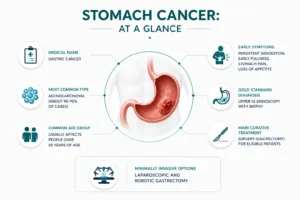
Stomach cancer, also known as gastric cancer, occurs when abnormal cells form in the stomach lining and grow uncontrollably, creating a tumour. It can start anywhere in the stomach, but most commonly begins in the mucosa, the innermost layer. Over time, the cancer may spread to other parts of the stomach, lymph nodes, and even distant organs like the liver, lungs, and bones.
Stomach cancer is the 5th most common cancer worldwide, affecting around 1,00,000 people annually. Despite its prevalence, early symptoms are often subtle and easily overlooked, thereby delaying diagnosis and treatment.
At BLK-Max Super Speciality Hospital, Dr. Deep Goel – Vice Chairman & HOD – Surgical Gastroenterology, Advanced Laparoscopic & Bariatric SurgeryBLK-Max Super Speciality Hospital, manage stomach cancer through a coordinated treatment plan built around the stage and spread of the disease. Patients travel to BLK-Max from across Delhi NCR, including Pitampura, Rohini, Punjabi Bagh, Shalimar Bagh, and Paschim Vihar, as well as from other states, for GI and HPB surgical oncology care.
What Causes Stomach Cancer?
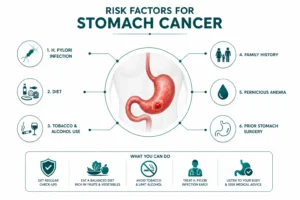
Chronic H. pylori infection, a diet high in salted or smoked foods, tobacco and alcohol use, and long-standing acid reflux are the most established risk factors for stomach cancer, though many patients have no single identifiable cause.
Stomach cancer, in most cases, this happens gradually often over years through a sequence that starts with chronic inflammation (gastritis), moves through pre-cancerous changes in the lining, and eventually becomes cancer. This is why treating persistent gastritis or ulcers isn’t just about comfort it’s part of long-term cancer prevention.
How Does Stomach Cancer Usually Start?
Stomach cancer typically begins in the inner lining of the stomach (the mucosa), but how does it progress? It often starts slowly and spreads deeper into the stomach wall, reaching lymph nodes and other organs. Risk factors such as poor diet, chronic stomach inflammation, and infections, such as Helicobacter pylori, can contribute to its development.
According to Dr. Deep Goel, renowned GI cancer specialist in Delhi, “Early detection of stomach cancer can improve treatment outcomes. Unfortunately, many patients come to us with advanced stages due to non-specific symptoms in the early stages.”
Risk Factors of Stomach Cancer
What are the Common Symptoms of Stomach Cancer?
Persistent upper-abdominal pain, unexplained weight loss, early fullness during meals, and difficulty swallowing are the most common early warning signs of stomach cancer, though they’re often mistaken for indigestion.
1. Persistent Abdominal Pain or Discomfort
This is one of the most common early symptoms of stomach cancer. The pain may be dull or persistent, usually in the upper abdomen. Many people might brush it off as indigestion or a stomach ulcer.
2. Unexplained Weight Loss
Rapid and unintentional weight loss is a red flag and a potential indicator of cancer, including stomach cancer. Patients may notice a decrease in appetite or feel full sooner than usual during meals.
3. Nausea and Vomiting
Chronic nausea or recurrent vomiting, especially if blood is present in the vomit, can be a symptom of stomach cancer. These symptoms may indicate that the tumour is causing an obstruction or irritation.
4. Difficulty Swallowing (Dysphagia)
Tumours in the upper part of the stomach, near the oesophagus, can make swallowing difficult or painful. This can be a serious sign of a tumour obstructing the passage of food.
5. Feeling Full After Small Meals
Known as early satiety, this feeling occurs when the stomach cannot expand as usual because of a tumour. It may lead to significant changes in eating habits and appetite.
6. Fatigue and Weakness
Chronic tiredness and lack of energy are common in advanced stomach cancer, often resulting from nutritional deficiencies due to reduced food intake or internal bleeding.
7. Bloating and Gas
Many people with stomach cancer experience bloating, especially after meals. This feeling of fullness can contribute to appetite loss and discomfort.
8. Blood in the Stool or Vomit
Blood may appear in the stool or vomit if the cancer is bleeding. Stools might look dark or tar-like due to digested blood, which can indicate internal bleeding from the stomach.
9. Indigestion or Heartburn
Persistent heartburn or indigestion is common in people with stomach cancer, although it’s often dismissed as a minor gastrointestinal issue.
10. Jaundice
In advanced cases where stomach cancer spreads to the liver, jaundice can occur. This condition causes yellowing of the skin and eyes due to a buildup of bilirubin in the blood.
11. Swelling or Fluid Buildup in the Abdomen (Ascites)
Ascites, or fluid buildup in the abdomen, can cause a visibly distended abdomen and discomfort. It is often associated with advanced stages of cancer, particularly if it has spread to other organs.
Looking for this information in Hindi? Read our detailed Hindi guide on stomach cancer: पेट का कैंसर: लक्षण, कारण, और आधुनिक इलाज
What are the Stages of Stomach Cancer?
Stomach cancer is diagnosed through an upper GI endoscopy with biopsy, followed by CT or PET-CT imaging to determine how far the disease has spread this combination decides the stage and the treatment plan.
- Stage 0: Cancer cells are limited to the stomach’s inner lining.
- Stage I: The cancer has begun spreading to deeper layers or nearby lymph nodes.
- Stage II: The tumor invades further into the stomach wall and more lymph nodes.
- Stage III: The tumour affects all layers of the stomach and nearby organs.
- Stage IV: Cancer has spread to distant organs like the liver or lungs.
Understanding the stomach cancer stages helps guide treatment options and prognosis.
What Treatment Options are Available for Stomach Cancer in Delhi?
Early-stage stomach cancer is usually treated with surgery alone or minimal additional therapy; locally advanced cases combine surgery with chemotherapy; and stage 4 disease is managed mainly with chemotherapy, targeted therapy, or immunotherapy to control the disease and manage symptoms.
The treatment strategy depends on the cancer’s stage and location and includes:
- Surgery: Removing part or all of the stomach.
- Chemotherapy: Shrinking tumours or killing cancer cells.
- Radiation therapy: Targeting cancer cells with high-energy rays.
- Targeted therapy: Attacking specific cancer cells while sparing healthy ones.
- Immunotherapy: Using the body’s immune system to fight cancer.
The earlier the diagnosis, the better the treatment outcomes.
One patient who was successfully treated for advanced stomach cancer expressed their heartfelt gratitude: “I was terrified when I first heard my diagnosis, but thanks to Dr. Goel and his team, I’m now cancer-free. I owe my life to their expertise and care.”
Surgical Treatment for Stomach Cancer
Gastrectomy- partial or total removal of the stomach along with nearby lymph nodes remains the main curative surgery for stomach cancer, increasingly performed using laparoscopic or robotic techniques for faster recovery.
There are two main types of gastrectomy, and the choice between them depends on tumor location and size:
- Partial (subtotal) gastrectomy – removes only the portion of the stomach containing the tumor, preserving the rest.
- Total gastrectomy – removes the entire stomach, with the esophagus connected directly to the small intestine.
In both approaches, nearby lymph nodes are removed and examined, since lymph node involvement is one of the strongest predictors of outcome and helps confirm accurate staging after surgery.
Dr. Goel performs both types of gastrectomy using minimally invasive laparoscopic or robotic techniques where clinically appropriate, rather than defaulting to open surgery. These approaches generally involve smaller incisions, less post-operative pain, and a shorter hospital stay compared to traditional open gastrectomy, though the right approach depends on tumor stage, size, and the patient’s overall condition rather than technique alone.
Stomach cancer surgery is one part of the broader field of GI cancer surgery, which also covers pancreatic, liver, and colorectal cancers under the same surgical team.
Life After Stomach Cancer Surgery
Recovery after gastrectomy usually involves smaller, more frequent meals, vitamin B12 monitoring, and a gradual return to normal activity over several weeks, with regular follow-up scans to check for recurrence.
Most patients need time and guidance to adjust:
- Eating pattern – smaller, more frequent meals (5-6 a day instead of 3).
- Separating liquids and solids – drinking with meals can cause discomfort or “dumping syndrome” (rapid movement of food into the small intestine causing nausea, cramping, or diarrhea); many patients find it easier to drink between meals instead.
- Nutrient absorption – since the stomach plays a role in absorbing vitamin B12 and iron, deficiency is common after gastrectomy.
- Physical recovery – most patients gradually return to light daily activity within 3-4 weeks after minimally invasive surgery, with full recovery and dietary adjustment often taking a few months.
- Follow-up schedule – regular check-ups with imaging and blood work are scheduled to monitor for recurrence, typically more frequently in the first two years after surgery.
The adjustment isn’t only physical. Changing how you eat, managing fatigue, and processing a cancer diagnosis all take an emotional toll. Speaking openly with your care team about these concerns, and involving family in the recovery plan, tends to make the transition easier.
How Does Diet Affect Stomach Cancer Risk?
Diet can influence the risk of developing stomach cancer. A high intake of salty, smoked, and processed foods increases the risk, while a diet rich in fresh fruits and vegetables can help lower it. Limiting alcohol consumption and quitting smoking also play crucial roles in prevention.
Why Choose Dr. Deep Goel for Stomach Cancer Treatment in Delhi?
Dr. Deep Goel is widely recognised for his expertise in managing complex gastrointestinal cancers with a patient-centric, evidence-based approach.
With over 27 years of experience and 20,000+ GI surgeries performed, Dr. Deep Goel has treated some of the most complex stomach, colorectal, pancreatic, esophageal, and hepatobiliary cancer cases. His practice at BLK-Max Super Speciality Hospital draws international patients from across Africa, the Middle East, and Asia, in addition to patients from all over India, seeking advanced GI and cancer surgery care in Delhi.
Key reasons patients Trust Dr. Deep Goel include:
- Specialised expertise in gastrointestinal and stomach cancers, including early and advanced-stage disease
- Comprehensive treatment planning, covering surgical management, chemotherapy coordination, and long-term follow-up
- Experience with advanced and minimally invasive surgical techniques, aimed at faster recovery and reduced complications
- Multidisciplinary care approach, working closely with medical oncologists, radiologists, pathologists, and nutrition experts
- Strong focus on patient education and informed decision-making, ensuring patients and families clearly understand treatment options
His approach prioritises clinical precision, safety, and long-term outcomes, while maintaining empathy and transparency throughout the treatment journey.
Stomach Cancer Treatment Cost in Delhi
Stomach cancer surgery cost in Delhi typically depends on the stage of disease, the type of gastrectomy (partial vs. total), whether the procedure is done laparoscopically or robotically, and the length of ICU or hospital stay required. Costs also vary based on whether chemotherapy is needed before or after surgery. For a detailed, stage-wise cost breakdown, see our GI Cancer Surgery Cost guide.
Take the Next Step Toward Expert Care
If you’re looking for trusted stomach cancer treatment in Delhi, early consultation with a trusted stomach cancer specialist can help determine the most effective treatment plan for your condition.
- You can book a consultation with Dr. Deep Goel today
- Get expert guidance on diagnosis, treatment options, and recovery
- Don’t delay – early action can save lives
Fill out the appointment form on the website or contact the clinic directly to schedule your consultation.

Dr. Deep Goel’s Medical Content Team
Dr. Deep Goel’s medical content team specialises in creating accurate, clear, and patient-focused healthcare content. With strong clinical understanding and expertise in technical writing and SEO, the team translates complex medical information into reliable, accessible resources that support informed decisions and uphold Dr. Goel’s commitment to quality care.
This content is reviewed by Dr. Deep Goel

Related Blogs

पेट के कैंसर के शुरुआती लक्षण: कैसे पहचानें?
पेट का कैंसर (Stomach Cancer) पेट की अंदरूनी परत में बनने वाला कैंसर है। शुरुआती…
Read Article →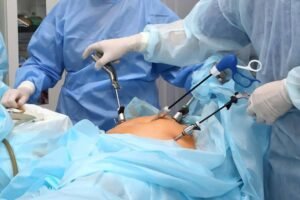
लेप्रोस्कोपिक सर्जरी (Laparoscopic Surgery) क्या है? फायदे, प्रक्रिया, खर्च और रिकवरी की पूरी जानकारी
क्या आपके डॉक्टर ने आपको लेप्रोस्कोपिक सर्जरी (Laparoscopic Surgery) कराने की सलाह दी है? यदि…
Read Article →
पेट का कैंसर: लक्षण, कारण, प्रकार और आधुनिक इलाज
पेट का कैंसर (stomach cancer), जिसे medical भाषा में gastric cancer और हिंदी में आमाशय…
Read Article →
How to Prevent Stomach Cancer from Coming Back?
Surviving stomach cancer is an incredible achievement, one that marks the end of a difficult…
Read Article →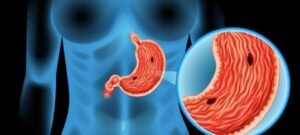
Top 10 Possible Warning Signs of Stomach Cancer: Don’t Ignore These
Stomach cancer, also known as gastric cancer, is one of the most common cancers worldwide.…
Read Article → WhatsApp