
Gallbladder Polyps Treatment in Delhi NCR
A gallbladder polyp found on an ultrasound can leave you with one immediate question: “Do I need surgery?” The answer is not always yes.
Most gallbladder polyps are benign and may simply need observation. However, certain polyps may carry a higher risk of becoming cancerous and require closer evaluation or removal of the gallbladder. Factors such as polyp size, shape, growth over time, symptoms and individual risk factors all influence the treatment decision.
If you are looking for gallbladder polyp treatment in Delhi NCR, Dr. Deep Goel provides specialist evaluation and surgical care for gallbladder and other gastrointestinal conditions at BLK-Max Super Speciality Hospital, New Delhi. The approach is focused on identifying when monitoring is appropriate and when gallbladder polyp surgery may offer the safer option.
What Are Gallbladder Polyps?
Gallbladder polyps are growths that project from the inner lining of the gallbladder. They are often discovered incidentally during an abdominal ultrasound performed for abdominal pain, digestive symptoms or an unrelated health concern.
Importantly, a gallbladder polyp does not automatically mean cancer. Many are cholesterol-related or inflammatory lesions and have little or no malignant potential. A smaller number are true neoplastic polyps that need more careful assessment.
This distinction is important because the treatment of a 4 mm low-risk polyp can be very different from that of a 12 mm polyp with suspicious imaging features.
Are Gallbladder Polyps Dangerous?
Most gallbladder polyps are not dangerous. The concern is that a small proportion can be associated with gallbladder cancer or may represent lesions with malignant potential.
The risk is assessed rather than assumed. Doctors generally consider:
- Size of the gallbladder polyp
- Whether it is growing on follow-up scans
- Whether it is sessile or broad-based
- Associated gallbladder wall thickening
- Your age and medical history
- Presence of relevant risk factors
- Whether you have symptoms attributable to the gallbladder
Therefore, discovering a polyp should not be a reason to panic, but it should not be ignored either.
Gallbladder Polyp Symptoms
Many gallbladder polyps cause no symptoms at all and are found incidentally.
When symptoms occur, they may include:
- Upper right abdominal pain or discomfort
- Pain after meals
- Nausea or vomiting
- Bloating or indigestion
- Recurrent abdominal discomfort
These symptoms are not specific to gallbladder polyps and may also occur with gallstones, gallbladder inflammation, acid-related conditions or other digestive problems. Your doctor will therefore look for other possible causes before deciding that the polyp is responsible.
If you experience severe abdominal pain, fever, jaundice or persistent vomiting, seek medical attention promptly.
What Causes Gallbladder Polyps?
There is no single cause of all gallbladder polyps because different types of lesions can appear as polyps on imaging.
Common types include:
Cholesterol polyps
These are among the most frequently detected gallbladder polyps and are generally benign.
Inflammatory polyps
These may occur in association with inflammation involving the gallbladder.
Adenomatous or neoplastic polyps
These are less common but are clinically important because some may have malignant potential.
Sometimes what appears to be a polyp on ultrasound may actually represent another type of gallbladder abnormality. This is why the ultrasound appearance and clinical context matter.
How Are Gallbladder Polyps Diagnosed?
Abdominal ultrasound is usually the first-line investigation for a suspected gallbladder polyp. It can provide information about the polyp’s size, number, shape and relationship to the gallbladder wall.
During evaluation, your surgeon may also review:
- Previous ultrasound reports
- Whether the polyp has increased in size
- Whether the lesion is sessile or pedunculated
- Gallbladder wall thickness
- Presence of gallstones
- Your age and medical history
- Any associated symptoms
In selected cases where ultrasound findings are unclear, additional imaging such as endoscopic ultrasound or contrast-enhanced ultrasound may help with decision-making. These investigations are not necessary for every patient.
When Does a Gallbladder Polyp Need Treatment?
There is no single size at which every patient automatically needs surgery. However, polyp size is one of the most important factors.
Gallbladder polyps 5 mm or smaller
If there are no additional risk factors, very small polyps may not require routine follow-up. If relevant risk factors are present, ultrasound surveillance may be advised.
Gallbladder polyps measuring 6–9 mm
These polyps often require closer assessment. For patients without concerning risk factors, follow-up ultrasound may be recommended. When specific risk factors are present, surgery may be considered.
Gallbladder polyps 10 mm or larger
Current European multidisciplinary guidelines recommend considering cholecystectomy, or surgical removal of the gallbladder, for gallbladder polyps measuring 10 mm or more, provided the patient is fit for and accepts surgery.
However, size should not be interpreted in isolation. The decision is made after considering the patient’s complete clinical and imaging picture.
When Is Gallbladder Polyp Surgery Recommended?
Gallbladder polyp surgery may be recommended when the risk of malignancy or other clinical concerns outweigh the benefits of continued observation.
Factors that may influence the decision include:
- A polyp measuring 10 mm or more
- Significant growth during surveillance
- A suspicious sessile or broad-based appearance
- Associated focal gallbladder wall thickening
- Certain patient-specific risk factors
- Symptoms that are thought to be related to the gallbladder when no better alternative explanation is found
For 6–9 mm polyps, published European guidelines identify factors such as age over 60 years, primary sclerosing cholangitis, Asian ethnicity and sessile morphology or focal wall thickening over 4 mm as factors that can increase concern.
Your surgeon may therefore recommend monitoring rather than immediate surgery when the overall risk is low.
Laparoscopic Gallbladder Polyp Surgery
When surgery is recommended, the usual procedure is laparoscopic cholecystectomy, which involves removing the gallbladder through small abdominal incisions.
A laparoscope, which has a small camera attached, allows the surgeon to view the surgical area while specialised instruments are used to remove the gallbladder.
Laparoscopic surgery is widely used for gallbladder procedures and generally offers the advantages of smaller incisions and faster recovery compared with traditional open surgery when laparoscopic treatment is appropriate.
Dr. Deep Goel’s practice includes advanced laparoscopic and minimally invasive gastrointestinal surgery, including laparoscopic gallbladder surgery.
What Happens After Gallbladder Polyp Removal?
Once the gallbladder is removed, the specimen can be sent for histopathological examination. This allows the pathology team to determine the exact nature of the lesion and identify any abnormal or malignant changes.
Your recovery depends on your overall health and the nature of the procedure. After laparoscopic surgery, patients are generally encouraged to start walking early and gradually return to normal activities as advised by their surgical team.
Your doctor will provide individual instructions regarding diet, wound care, medication and follow-up.
Why Choose Dr. Deep Goel for Gallbladder Polyp Treatment in Delhi NCR?
Dr. Deep Goel is Vice Chairman & HOD – Surgical Gastroenterology, GI Cancer, Bariatric & Minimally Invasive Surgery at BLK-Max Super Speciality Hospital, New Delhi, and has more than 27 years of surgical experience. His practice includes gastrointestinal, hepatobiliary, GI cancer and advanced minimally invasive surgery.
For a patient with a gallbladder polyp, experience matters because treatment is not simply about removing a polyp. It is about accurately interpreting the imaging, understanding the potential risk and choosing between surveillance and surgery when appropriate.
Dr. Deep Goel’s approach focuses on evidence-based evaluation and minimally invasive surgical options when surgery is indicated.
Get Expert Evaluation for Gallbladder Polyps in Delhi NCR
A gallbladder polyp does not automatically mean that you need surgery. At the same time, a polyp with concerning features should not be ignored.
The right treatment depends on the size, morphology, growth pattern, symptoms and individual risk factors. A specialist evaluation can help you understand what your ultrasound finding actually means and whether you need monitoring or gallbladder removal.
If you are looking for gallbladder polyps treatment in Delhi NCR, consult Dr. Deep Goel at BLK-Max Super Speciality Hospital, New Delhi, for a personalised assessment and treatment plan.
Book a consultation to discuss your gallbladder polyp, understand your risk and determine the most appropriate next step.
Medical Disclaimer
This content is intended for general educational purposes and does not replace an in-person medical consultation. Gallbladder polyp management should be individualised after reviewing the patient’s symptoms, imaging findings, medical history and surgical fitness.

Dr. Deep Goel’s Medical Content Team
Dr. Deep Goel’s medical content team specialises in creating accurate, clear, and patient-focused healthcare content. With strong clinical understanding and expertise in technical writing and SEO, the team translates complex medical information into reliable, accessible resources that support informed decisions and uphold Dr. Goel’s commitment to quality care.
This content is reviewed by Dr. Deep Goel
Related Conditions

Best Gallbladder Cancer Treatment in India
If you or a loved one has been diagnosed with gallbladder cancer, finding the right specialist and the right treatment…
Gallbladder Cancer Treatment in Delhi
Gallbladder cancer, though relatively rare, remains one of the most challenging gastrointestinal cancers, largely because it is often diagnosed at…
Related Blogs
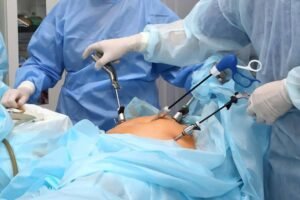
लेप्रोस्कोपिक सर्जरी (Laparoscopic Surgery) क्या है? फायदे, प्रक्रिया, खर्च और रिकवरी की पूरी जानकारी
क्या आपके डॉक्टर ने आपको लेप्रोस्कोपिक सर्जरी (Laparoscopic Surgery) कराने की सलाह दी है? यदि…
Read Article →
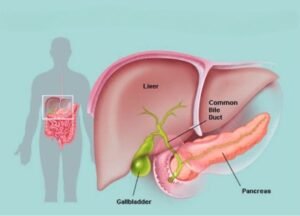
Is Gallbladder Cancer Curable?
Thinking of gallbladder cancer as a rare and harmless type of cancer? Think again; although…
Read Article →
What Is Gallbladder Cancer? Symptoms, Risks, & Treatment Explained
Gallbladder cancer is a rare but serious disease that starts in the gallbladder, a small…
Read Article →
Nutrition and Diet After Gallbladder Cancer Surgery
Gallbladder cancer is a rare type of cancer that begins in the gallbladder, a small…
Read Article →
What Are the Differences Between Minimally Invasive Surgery and Open Surgery for Gallbladder Cancer?
Gallbladder cancer is ranked 25th among all cancers, with about 115,949 gallbladder cancer cases…
Read Article → WhatsApp